How To Choose The Right Solar System Size For Your Wollongong Home
Many households consider solar power as a way to reduce reliance on grid electricity and manage long-term energy costs. However, one of the most common questions during the early research stage is how large a solar system should be. Choosing the right size is not simply about installing as many panels as possible. A solar system should reflect how electricity is used within the home, the available roof area, the budget for installation and the long-term goals of the household.
Solar technology has evolved significantly in recent years, giving homeowners access to a wide range of system sizes and configurations. With so many options available, understanding how system sizing works can help clarify what might suit a particular property. By examining electricity consumption patterns, roof orientation and financial considerations, homeowners can approach solar panel installation in Wollongong with greater confidence and clarity.
The following guide explores the main factors that influence solar system sizing and how they can affect the long-term value of a
residential solar setup.
Understanding Your Household Energy Consumption
The starting point for choosing a solar system size is understanding how much electricity the household uses. Electricity consumption varies widely depending on the number of occupants, appliances, heating and cooling systems and lifestyle habits.
Reviewing electricity bills from the past 12 months provides useful insight into overall usage patterns. This helps identify both average consumption and seasonal fluctuations.
Key aspects to review include:
- Average daily electricity consumption measured in kilowatt hours (kWh)
- Seasonal changes in energy usage
- Major energy-consuming appliances such as air conditioning, pool pumps or electric hot water systems
- Daytime versus evening electricity use
This information helps determine how much solar generation may be required to offset a portion of household electricity usage.
Solar panel installation in Wollongong often begins with analysing this historical energy data, which forms the foundation for determining suitable system capacity.
Common Solar System Sizes For Australian Homes
Solar systems are typically categorised by their total generation capacity, measured in kilowatts (kW). In residential settings, system sizes often range between smaller systems designed to offset modest electricity usage and larger installations intended to support higher energy demand.
Several common residential solar sizes include:
- 3kW systems suited to smaller homes with lower electricity consumption
- 5kW systems, commonly installed in medium-sized households
- 6.6kW systems, which have become widely adopted due to panel capacity allowances
- 10kW systems, often used for larger households or properties with higher energy needs
Each system size produces different levels of electricity depending on factors such as sunlight exposure and panel orientation.
Rather than focusing solely on panel count, homeowners researching solar panel installation in Wollongong may benefit from considering how system capacity aligns with their daily energy usage.
How Roof Space & Orientation Influence System Size
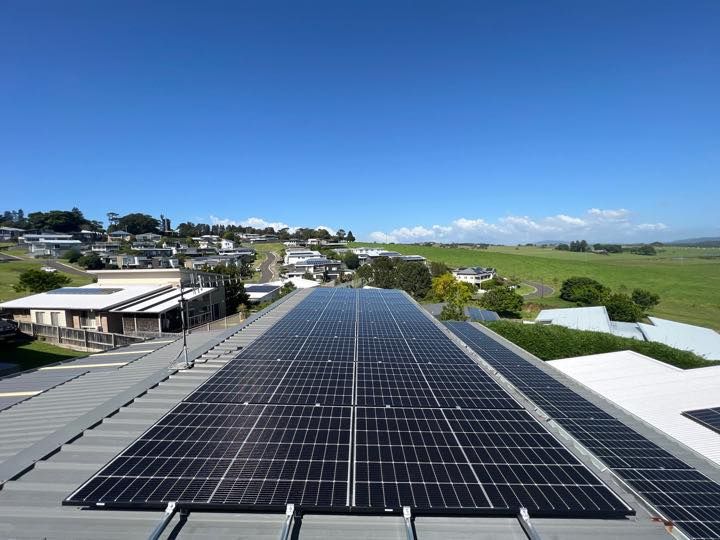
The physical characteristics of a roof play an important role in determining the maximum solar capacity that can be installed. Solar panels require adequate surface area and favourable positioning to capture sunlight throughout the day.
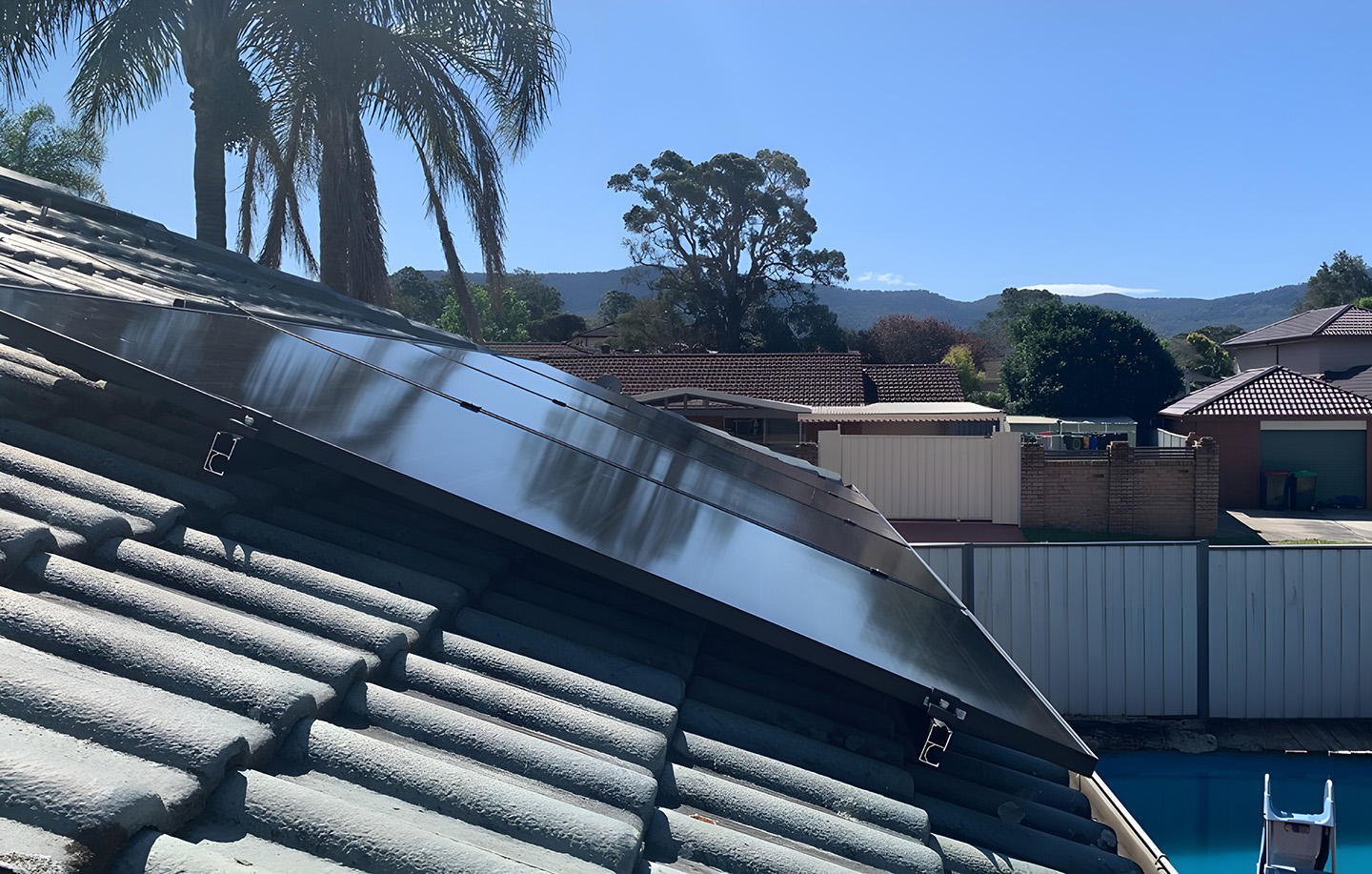
Roof orientation and pitch influence how efficiently panels receive sunlight. In many residential installations, panels are positioned across multiple roof sections to capture energy during different times of day.
Factors that affect panel placement include:
- Total usable roof space free from obstructions
- Orientation relative to sunlight exposure
- Roof pitch & structural considerations
- Shading from nearby trees, chimneys or surrounding structures
In some cases, the roof layout may limit the size of the solar system that can be installed. Conversely, larger roof areas may allow homeowners to explore higher capacity systems if electricity usage supports that decision.
Solar panel installation in Wollongong typically involves assessing roof conditions to determine suitable panel positioning and overall system scale.
Balancing Budget & Long-Term Energy Savings
Budget considerations often influence the size of a solar system. While larger systems can generate more electricity, they also involve higher upfront installation costs. Selecting a system size involves balancing initial investment with anticipated energy savings over time.
Households may approach this decision by examining:
- The upfront cost of installation
- Estimated electricity bill reductions
- Payback timeframes
- Long-term property value considerations
Some homeowners choose systems sized to match current energy consumption, while others consider future energy usage, such as electric vehicles or home electrification upgrades.
Solar panel installation in Wollongong can involve evaluating these financial factors to help determine an appropriate balance between installation cost and potential energy generation.
Planning For Future Energy Needs
Energy use within a home rarely remains constant. Over time, households may introduce new appliances, heating systems or technology that increases electricity demand.
Planning ahead when selecting solar system capacity can help accommodate these future changes. Installing a slightly larger system may provide flexibility for future energy needs.
Potential future considerations include:
- Electric vehicle charging
- Battery storage integration
- Switching from gas to electric appliances
- Home extensions or additional living spaces
Forward planning can help households avoid needing to upgrade their solar system shortly after installation.
Solar panel installation in Wollongong often involves discussing long-term household plans to determine whether additional generation capacity may be useful in the future.
The Role Of Solar Inverters In System Capacity
Solar panels generate electricity in direct current (DC), which must be converted into alternating current (AC) before it can power household appliances. This conversion is performed by the solar inverter.
Inverter capacity influences how much electricity a solar system can deliver to the home. In Australia, many residential systems use a panel capacity that slightly exceeds inverter capacity. This configuration is known as oversizing.
Important aspects of inverter selection include:
- Compatibility with total panel capacity
- Future battery integration possibilities
- Monitoring & system management capabilities
- Compliance with grid connection requirements
Understanding the relationship between panel capacity and inverter size can help clarify why certain solar system configurations are recommended during solar panel installation in Wollongong.
Why A Professional Solar Assessment Matters
Although general guidelines can help homeowners estimate system size, each property presents unique characteristics that influence solar performance. A detailed site assessment allows for a more accurate evaluation of system potential.
During a solar assessment, several elements are typically examined:
- Roof dimensions & structural considerations
- Sunlight exposure throughout the day
- Electrical infrastructure within the property
- Current energy consumption patterns
This information supports the development of a solar design tailored to the specific property. Accurate system sizing helps align solar generation with household electricity use.
Solar panel installation in Wollongong often begins with this type of assessment to provide homeowners with practical guidance based on the characteristics of their property.
Avoiding Common Solar Sizing Misconceptions
Several misconceptions can complicate the decision-making process when choosing a solar system size. One common assumption is that the largest system will always deliver the greatest value. However, solar systems should reflect the household's actual energy requirements and available roof space.
Some common misunderstandings include:
- Believing more panels always translate to higher savings
- Assuming solar systems produce identical output across all homes
- Overlooking roof orientation & shading factors
- Ignoring future changes in electricity consumption
Solar panel installation in Wollongong may involve clarifying these points so homeowners can better understand how system sizing relates to their property.
Accurate information and careful planning can help households approach solar installation decisions with greater clarity.
Get In Touch
At Solarblu, we help homeowners explore solar solutions that reflect the way electricity is used within their properties. If you are considering solar panel installation in Wollongong, our team can guide you through the factors involved in system sizing, roof layout and energy usage patterns specific to homes in the region.
For coastal households in Wollongong, solar installations often need to consider salt exposure, roof orientation and seasonal sunlight patterns along the Illawarra coastline. These factors can influence how solar systems are designed and configured. If you would like to learn more about selecting a suitable solar system for your home, visit our website to get in touch and start the conversation.