The Real Payback Period For Solar In Wollongong: How Long Before You Break Even?
For many Wollongong homeowners, the decision to go solar comes down to one fundamental question: how long will it take to get the money back? It is a practical question that deserves a clear answer. While solar is widely recognised as a sound long-term investment, the actual payback period depends on several variables specific to each household, including electricity usage, system size, local tariff rates and how much solar energy is consumed directly within the home.
Rather than relying on broad national averages, it is worth examining what the payback period looks like for homes in the Illawarra region, where electricity prices, sunlight hours and household energy habits all shape the outcome. This guide breaks down the key components of solar payback in plain language, helping homeowners better understand what influences their break-even timeline and what can be done to shorten it.
What Is a Solar Payback Period?
The payback period is the length of time it takes for the savings generated by a solar system to equal the upfront cost of installation. Once this point is reached, the system is effectively generating free electricity for the remainder of its operational life.
These savings come from two main sources: electricity the system generates that the household consumes directly, reducing what is drawn from the grid, and any excess electricity exported back to the grid in exchange for a feed-in tariff credit.
The basic components of a payback calculation include:
- Total upfront cost of the solar system after any applicable discounts
- Estimated annual savings from reduced grid electricity consumption
- Feed-in tariff credits received for excess solar energy exported to the grid
- Annual electricity usage and the proportion consumed during daylight hours
For homeowners exploring solar installation in Wollongong, understanding this framework is a useful starting point before reviewing the specific numbers.
What Does Solar Cost to Install in Wollongong?
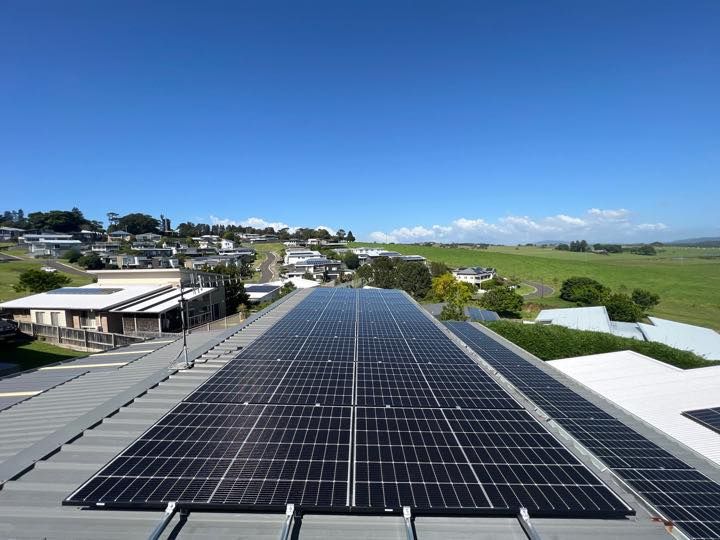
Residential solar installations in the Illawarra region vary in price depending on system size and equipment quality. A standard 6.6kW system, one of the most commonly installed sizes for Australian households, typically costs between approximately $5,000 and $9,000 after the federal Small-scale Technology Certificate (STC) discount has been applied.
Factors that can influence installation costs include:
- System capacity measured in kilowatts
- Panel and inverter brand and quality
- Roof type, pitch and complexity
- Distance from the switchboard and any electrical upgrade requirements
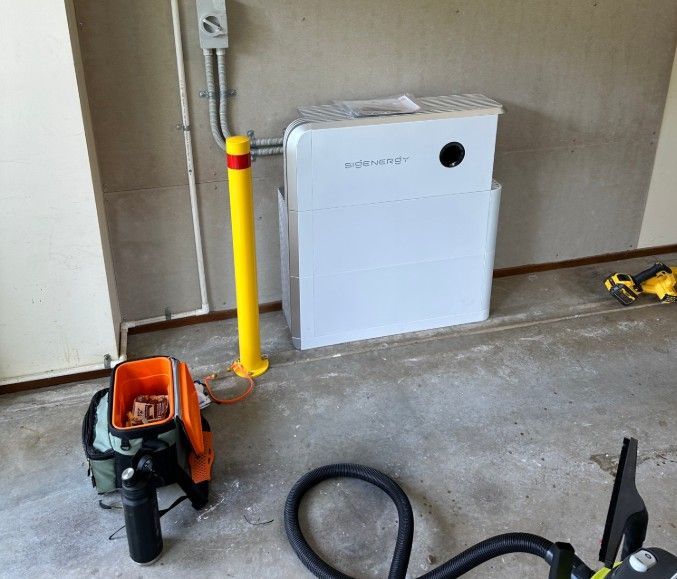
- Whether battery storage is included
For a more accurate figure specific to a Wollongong property, a site assessment from a qualified local installer provides the most reliable estimate based on the actual characteristics of the home.
How Electricity Rates in the Illawarra Affect Payback
Electricity prices in New South Wales have risen considerably over the past decade, which directly increases the value that solar systems deliver. The higher the cost of grid electricity, the more valuable each kilowatt hour of solar energy generated and consumed within the home becomes.
Electricity usage rates in the Wollongong region generally range between approximately 28 and 40 cents per kilowatt hour depending on the retailer and tariff structure. Every unit of solar electricity consumed directly in the home offsets an equivalent grid purchase, and at current electricity prices those savings accumulate meaningfully over time.
Key electricity rate considerations include:
- Standard usage rates charged by the household's electricity retailer
- Whether the household is on a flat rate or time-of-use tariff
- The cost difference between grid electricity and feed-in tariff credits
- Anticipated electricity price movements over the system's lifespan
Understanding Feed-In Tariffs in NSW
Feed-in tariffs allow households with grid-connected solar systems to receive a credit for excess electricity exported to the network. In New South Wales, these rates are set by individual electricity retailers and currently typically range between approximately 5 and 10 cents per kilowatt hour.
Because feed-in tariff rates are considerably lower than the cost of purchasing electricity from the grid, the financial benefit of exporting excess solar energy is proportionally smaller than the savings generated by consuming it directly. This makes maximising self-consumption the most effective strategy for improving payback outcomes.
Important points about feed-in tariffs include:
- Rates are subject to change when electricity contracts are renewed
- Households that use more electricity during the day typically benefit more from solar
- Battery storage can help shift solar energy use to evening hours, reducing grid reliance
- Comparing retailers can reveal more competitive feed-in rates
How Wollongong's Sunlight Hours Influence Output
The Illawarra region benefits from a coastal climate that delivers solid solar exposure throughout the year, though cloud cover and seasonal variation do influence output. Wollongong typically receives an average of around 4.5 to 5 peak sun hours per day across the year.
A 6.6kW solar system in Wollongong might be expected to generate approximately 24 to 28 kilowatt hours of electricity on an average day, with higher output during summer and lower output during winter. Coastal weather patterns, including morning cloud and sea mist, can also influence generation at certain times of year.
Factors that influence solar generation in the Illawarra include:
- Seasonal variation in daylight hours and sun intensity
- Roof orientation and tilt angle
- Shading from nearby structures, trees or coastal topography
- Panel cleanliness and condition over time
Estimating a Realistic Payback Period
Combining system costs, electricity rates, feed-in tariffs and local generation data allows for a practical payback estimate. Consider a Wollongong household installing a 6.6kW system at a net cost of approximately $7,000. The household uses 20 kilowatt hours of electricity per day, self-consumes around 30 to 40 percent of solar generation and exports the remainder.
An indicative annual saving breakdown might look like:
- Self-consumed solar electricity offsetting grid purchases at approximately 32 cents per kilowatt hour
- Exported solar electricity credited at approximately 7 cents per kilowatt hour
- Combined annual savings potentially in the range of $1,400 to $2,000 depending on usage patterns
Based on these figures, the estimated payback period falls roughly between 3.5 and 5 years. Over a solar system's typical 25-year operational lifespan, the accumulated savings after break-even can represent a substantial return on the initial investment.
What Can Shorten the Payback Period?
There are several practical steps Wollongong homeowners can take to reach break-even sooner:
- Shifting high-energy activities such as dishwashing, laundry and pool pump operation to daylight hours to increase self-consumption
- Reviewing electricity retailer contracts to secure competitive usage rates and feed-in tariff offers
- Selecting a correctly sized system that matches actual household energy demand
- Considering battery storage to capture unused daytime generation for use during evening peak periods
- Keeping panels clean and scheduling periodic inspections to maintain optimal output
Working with experienced solar installers in Wollongong also helps ensure the system is designed and positioned to deliver the strongest possible performance across all seasons.
Why System Quality Influences Long-Term Payback
Not all solar systems deliver equivalent performance over time. Choosing quality panels and inverters from reputable manufacturers reduces the risk of performance degradation and unexpected maintenance costs across the system's lifespan.
Quality panels from established brands degrade at lower annual rates, meaning they generate more electricity over the full life of the system compared with lower-grade alternatives. Inverter reliability is equally important — a failure can interrupt solar generation entirely until resolved, affecting both savings and payback projections.
Factors that influence long-term system reliability include:
- Panel manufacturer warranties and degradation guarantees
- Inverter brand reputation and after-sales support
- Quality of installation workmanship and electrical connections
- Ongoing monitoring to identify performance issues early
At Solarblu, installations use trusted brands including Growatt and Fronius, backed by a 7-year workmanship warranty, providing confidence in the long-term performance of every system installed.
Get In Touch
At Solarblu, we help Wollongong homeowners understand the real financial picture behind solar investment. If you are considering solar installation in Wollongong, our team can work through the payback figures specific to your property, taking into account your electricity usage, roof layout and the local conditions along the Illawarra coastline.
With over 17 years of experience and thousands of successful installations across the region, we are well placed to help you make an informed decision. Visit our website to get in touch and start the conversation today.