How Much Does Solar Panel Installation Cost In Wollongong?
Solar panels in Wollongong are more affordable than many homeowners expect, particularly once government rebates are factored in. For a standard 6.6kW system — the most common size for a three to four bedroom home — installation costs typically range from around $4,800 to $8,000 depending on panel quality, inverter choice, and roof complexity. This guide breaks down what drives that variation, what rebates apply in NSW, and how to compare quotes with confidence.
What Determines the Cost of Solar Panel Installation in Wollongong
No two solar installations are priced identically, and understanding the variables helps you evaluate quotes more clearly.
System size is the largest single cost driver — more kilowatts means more panels, a larger inverter, and more installation time. Panel and inverter brand also affects price significantly. Budget tier-one panels cost less upfront but may carry shorter warranties or lower efficiency ratings than premium alternatives. Premium panels typically cost 20 to 30 per cent more but offer higher output per square metre of roof space.
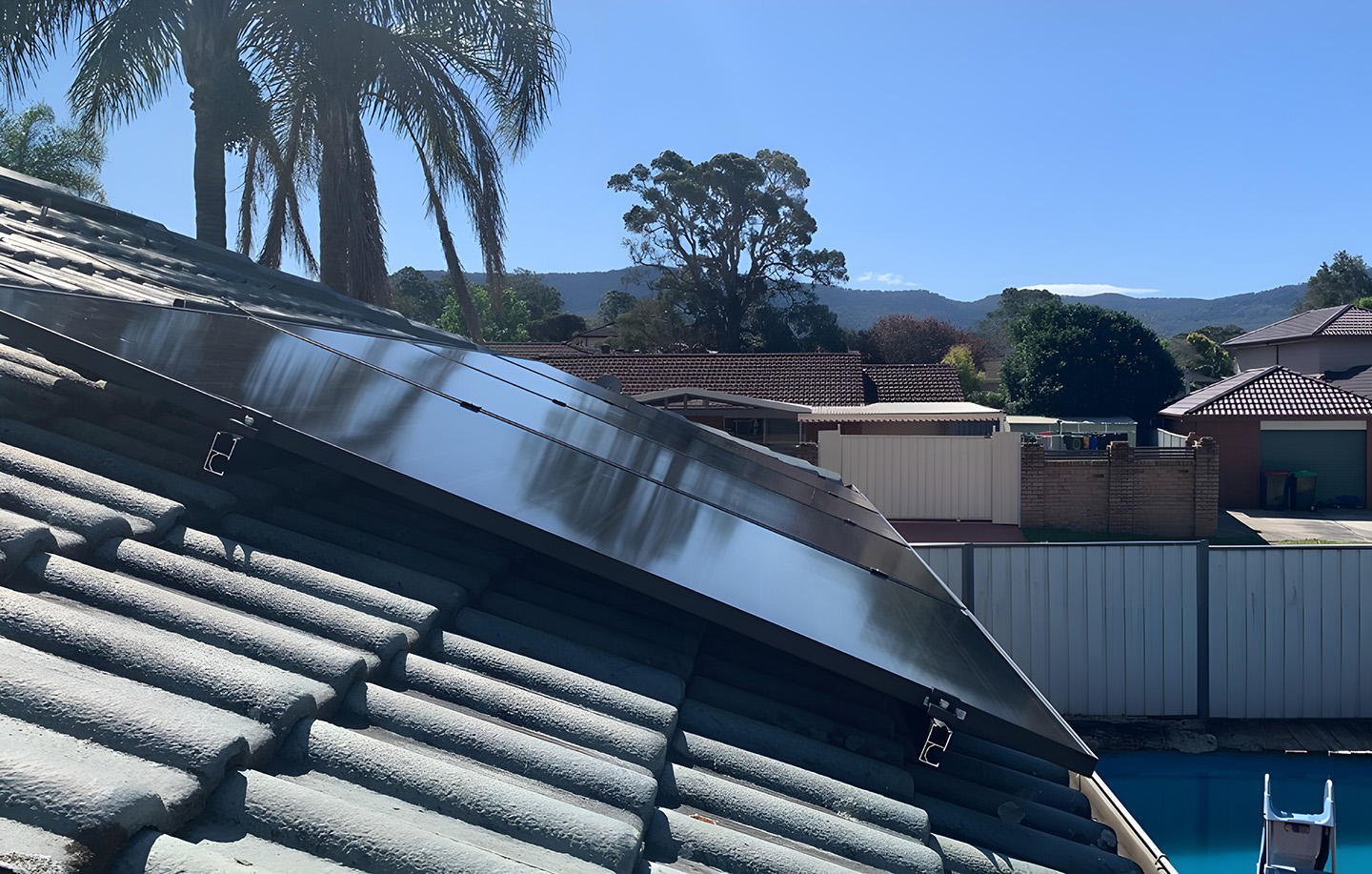
Roof complexity adds cost too. A single-storey home with a simple tin roof and a north-facing orientation costs less to install than a multi-storey property with a tiled roof, multiple orientations, or shading from surrounding structures. Travel and access fees can also apply for properties on the outer edges of the Illawarra region.
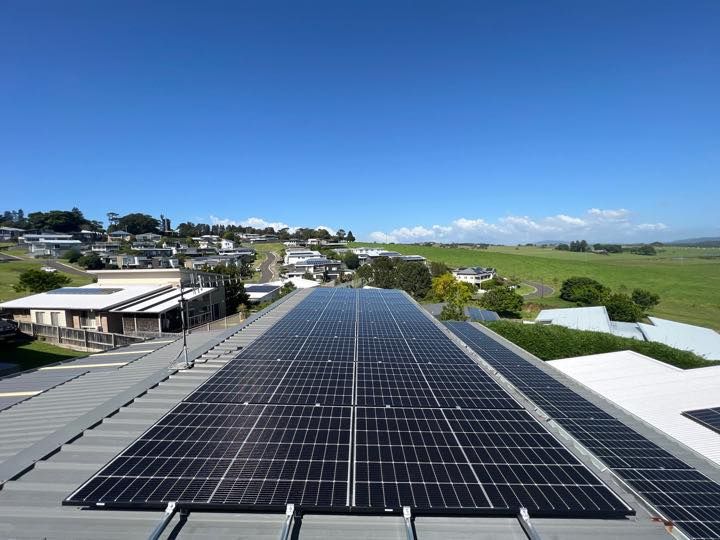
If you are comparing solar panels in Wollongong, the cost breakdown below shows what most homeowners actually pay by system size.
Typical Price Ranges by System Size
Installation costs vary depending on the size of the system you choose, and understanding those ranges helps you sense-check the quotes you receive.
A 3kW system is best suited to smaller homes or low-consumption households and typically costs somewhere in the range of $3,000 to $5,000 after rebates. These are less common for new installations these days, as the cost-per-kilowatt savings from going larger are hard to ignore.
A 5kW system suits small to medium homes and generally lands between $4,000 and $6,500 after the STC rebate is applied. For households that are not heavy electricity users, this size can cover the bulk of daytime consumption comfortably.
The 6.6kW system is the most popular choice for three to four bedroom homes in Wollongong, with installation costs typically ranging from $4,800 to $8,000 after rebates. It offers the best balance of output and cost per kilowatt for most residential properties and is the benchmark most quotes are based on.
A 10kW system suits larger households, homes with pool pumps or electric vehicles, or anyone planning to maximise self-consumption with battery storage. Installation costs for a 10kW system typically range from $8,000 to $12,000 after rebates. All figures are indicative based on mid-2026 market data and will vary by installer, panel brand, and site conditions.
How Government Rebates Reduce the Upfront Cost
The federal Small-scale Technology Certificates (STC) scheme is the primary rebate available to Wollongong homeowners in 2026, and most installers apply it as a point-of-sale discount so you never need to claim it separately.
The rebate is calculated based on your postcode zone, system size, and the number of deeming years remaining before the scheme closes in 2030. A 6.6kW system installed in Wollongong in 2026 generates approximately 45 STCs, and at current prices of around $35 to $40 per certificate, that represents a meaningful reduction in upfront cost. Rebate values decrease by roughly 4 to 5 per cent each year until the scheme ends, so installing sooner generally captures a higher discount.
In NSW, homeowners adding battery storage may also access the federal Cheaper Home Batteries Program and a state-based VPP sign-up incentive worth up to around $1,500. All cost figures quoted in this post already reflect the STC discount applied at point of sale.
How Long It Takes to Pay Off Your System
Payback period depends on three things: how much your system cost after rebates, how much of the solar you consume directly during the day rather than export, and what your electricity retailer charges per kilowatt hour.
With around 4.4 peak sun hours per day in Wollongong, a 6.6kW system typically lands at a payback period of around 3 to 4 years for homeowners who shift a reasonable amount of their usage into daylight hours. Households that run dishwashers, washing machines, and pool pumps during the day tend to see faster payback than those who primarily consume electricity in the evenings.
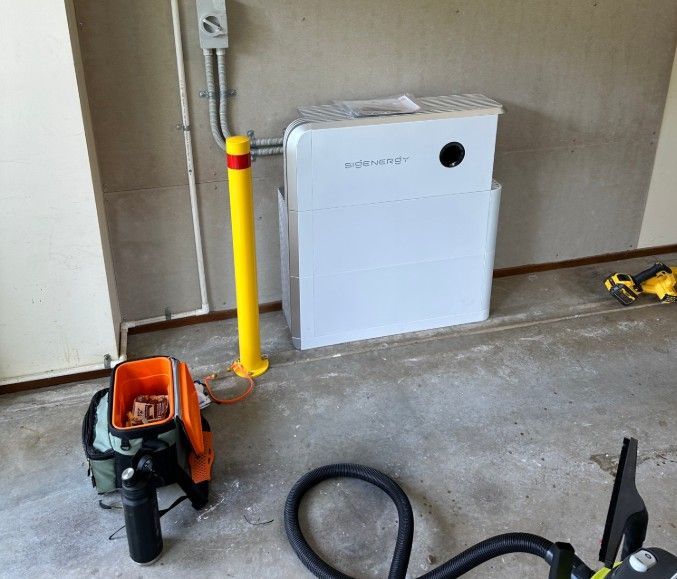
Adding solar batteries increases the upfront cost but can shorten your effective payback period by boosting self-consumption. A battery typically pays for itself in 8 to 12 years on top of the panels — whether that stacks up depends on your tariff structure and evening usage patterns.
Getting an Accurate Quote for Your Wollongong Home
An online price estimate gives you a useful starting point, but an accurate quote requires a site-specific assessment. Roof pitch, orientation, shading from nearby trees or structures, and your current energy usage all affect which system size and configuration will deliver the best return.
When requesting quotes, provide your last few electricity bills so the installer can size the system to your actual consumption rather than a generic household average. Ask for an itemised breakdown that separates panels, inverter, and installation costs, and confirm the STC rebate has already been applied to the figure quoted.
What's Included in Solarblu's Quoted Price
A transparent solar quote should itemise every component so you can compare apples with apples across installers. At Solarblu, our quoted price covers panels, inverter, mounting hardware, all wiring and connection work, and the STC paperwork and rebate claims.
Our solar installation team in Wollongong handles the STC paperwork and rebate claims as part of every quote, so the price you see is the price you pay. There are no rebate forms to chase after the job is done.
When comparing quotes from any installer, check whether the STC rebate has already been deducted, what panel and inverter brands are included, whether the quote covers roof penetration sealing, and what warranty applies to workmanship versus the equipment itself.
Ready to Get a Quote? Talk to Solarblu
If you are comparing solar panel installation costs in Wollongong and want a price based on your actual roof and usage, our team can walk you through your options and provide a detailed, no-obligation quote.
We work across Wollongong and the Illawarra region and handle everything from the initial assessment through to grid connection and rebate paperwork.
Get in touch with our team today to find out what a
solar installation could cost for your home, and how quickly it could start paying for itself.
Frequently Asked Questions
How much do solar panels cost in Wollongong after rebates?
Costs vary by system size, but a standard 6.6kW system typically falls in the range of $4,800 to $8,000 after the federal STC rebate in 2026. Premium panel and inverter combinations sit toward the higher end of that range.
What solar rebates are available in NSW in 2026?
The main incentive is the federal STC scheme, applied as a point-of-sale discount by your installer. NSW homeowners adding battery storage may also access the federal Cheaper Home Batteries Program and a state-based VPP incentive. The STC scheme decreases each year and closes in 2030.
What size solar system does a Wollongong home need?
Most three to four bedroom homes are well served by a 6.6kW system. Larger households, homes with pool pumps, or those planning to charge an electric vehicle may benefit from a 10kW system. An installer can size the system accurately based on your electricity bills.
How long does solar panel installation take in Wollongong?
Most residential installations are completed in one day. The grid connection approval process through Endeavour Energy may add a short lead time before the system is switched on and exporting to the grid.
Is solar worth it in Wollongong?
Wollongong receives good solar conditions year-round, and with electricity prices remaining high in NSW, most households see meaningful bill reductions after installation. Payback periods of around three to four years are commonly cited for well-sized systems with reasonable daytime usage, though individual results vary.