Standalone Battery Vs Full Solar Upgrade: What’s Right For You?
As energy prices continue to rise and households look for greater control over their electricity use, more homeowners are exploring battery storage as part of their solar strategy. One of the most common questions is whether it’s better to add a standalone battery to an existing solar setup or invest in a full solar and battery upgrade at the same time.
For households considering a solar battery in Dapto, the right answer depends on current system performance, energy habits, future plans and budget. This guide breaks down both options clearly, helping you understand the benefits, limitations and long-term value of each so you can make a confident decision.
Understanding Standalone Solar Batteries
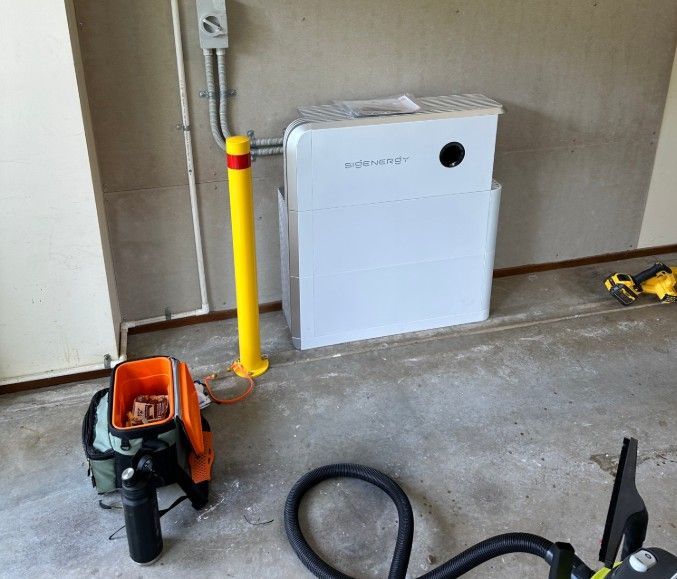
A standalone battery is designed to work alongside an existing solar system. Instead of exporting excess solar power back to the grid during the day, the battery stores that energy for use later — typically in the evening or overnight. This option is popular with homeowners who already have a functioning solar system but want to increase self-consumption and reduce reliance on grid electricity.
How a Standalone Battery Works
- Solar panels generate electricity during daylight hours
- Excess power charges the battery instead of being exported
- Stored energy is used when solar production drops
- Grid power is used only when both solar and battery supply are exhausted
Standalone batteries can often be retrofitted without replacing existing panels, making them a convenient upgrade path.
Benefits of Adding a Standalone Battery
For many households, standalone batteries offer a practical step toward energy independence without a full system overhaul. Key benefits include:
- Reduced electricity bills by using stored solar energy at night
- Improved use of existing solar generation
- Less reliance on grid power during peak pricing periods
- Backup power capability (depending on system design)
For homes already producing sufficient solar energy, adding solar batteries in Dapto may be enough to meet current needs.
Limitations of Standalone Batteries
While standalone batteries are appealing, they aren’t always the most efficient long-term solution. Potential limitations include:
- Existing solar system may be undersized for current energy needs
- Older inverters may require upgrading for battery compatibility
- Limited charging capacity if solar generation is low
- May not support future energy demands such as EV charging
If a household’s energy use has grown since the original solar installation, a battery alone may not deliver the expected savings.
What Is a Full Solar and Battery Upgrade?
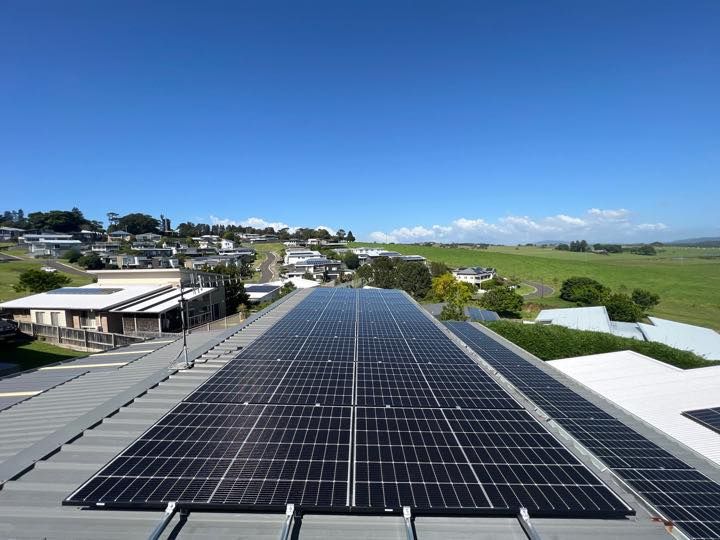
A full solar upgrade involves installing new or expanded solar panels alongside a battery storage system. This approach is often chosen by homeowners starting fresh or those whose existing solar system no longer meets their needs. Rather than working around an older setup, a full upgrade allows the entire system to be designed for current and future energy use.
How a Full Upgrade Works
- Solar panels are sized to match household energy demand
- A compatible inverter and battery system are installed together
- System is optimised for daytime generation and overnight use
- Grid reliance is significantly reduced
This integrated approach ensures all components work efficiently as one system.
Benefits of a Full Solar and Battery Upgrade
For households planning long-term energy independence, a full upgrade can deliver stronger performance and flexibility. Key benefits include:
- Higher solar generation capacity
- Better battery charging efficiency
- Improved system compatibility and reliability
- Greater ability to support future needs such as EVs or home expansions
For many households exploring solar battery options, a full upgrade provides the best opportunity to maximise solar efficiency from day one.
Cost Considerations: Short-Term vs Long-Term Value
Cost is often the deciding factor when comparing these options. Standalone batteries typically have a lower upfront cost than full upgrades, but that doesn’t always translate to better long-term value.
Standalone Battery Costs
- Lower initial investment
- Minimal disruption to existing system
- May require future upgrades if needs change
Full Upgrade Costs
- Higher upfront expense
- Complete system optimisation
- Lower likelihood of additional upgrades later
When comparing costs, it’s important to consider not just installation price but long-term savings, system lifespan and future adaptability.
Energy Independence and Grid Reliance
One of the biggest motivations for installing batteries is reducing reliance on the grid.
- Standalone batteries improve independence but are limited by existing solar output
- Full upgrades offer greater autonomy, especially during peak demand periods
Homes aiming to significantly reduce grid usage often benefit more from a complete system designed around battery storage.
How Household Energy Use Impacts the Decision
Energy usage patterns play a major role in determining the best option. A standalone battery may be suitable if:
- Solar system already produces excess power
- Energy use is stable and predictable
- Evening usage is moderate
A full upgrade may be better if:
- Energy consumption has increased
- Daytime solar output is insufficient
- Plans include EV charging or high-load appliances
Understanding how and when electricity is used helps ensure the system matches real-world needs.
Planning for the Future
When choosing between these options, future-proofing is essential. Consider:
- Electric vehicle ownership
- Home renovations or extensions
- Increased appliance use
- Changes in household size
A system that meets today’s needs may fall short tomorrow. For many households, a full upgrade offers greater flexibility and scalability.
Maximising Solar Efficiency
Solar efficiency isn’t just about panel output — it’s about how effectively that energy is stored and used. A well-designed system ensures:
- Minimal energy export at low feed-in rates
- Maximum self-consumption
- Efficient battery cycling
- Reduced peak grid usage
Whether choosing a standalone battery or full upgrade, system design quality is critical.
Which Option Is Right for You?
There’s no one-size-fits-all answer. The right choice depends on:
- Existing solar system condition
- Household energy demand
- Budget and long-term plans
- Desire for energy independence
Homeowners considering
solar batteries in Dapto benefit most from an assessment that looks at the entire energy picture rather than focusing on individual components.
Making a Confident Decision with Expert Guidance
Choosing between a standalone battery and a full solar upgrade is a significant decision that impacts household energy costs for years to come. Understanding system performance, future needs and long-term value ensures the investment delivers real benefits. For homeowners exploring solar batteries in Dapto, SolarBlu provides tailored guidance to help identify the most effective solution for each property.
Whether adding battery storage to an existing system or planning a complete solar upgrade, we focus on maximising efficiency, savings and energy independence through smart system design and expert installation.
Contact us today!